A Personal Story of the Start of the Findhorn Foundation College
The story of the College, as with many experiences at Findhorn, is both an objective, factual narrative and a subjective, personal one running parallel.


The story of the College, as with many experiences at Findhorn, is both an objective, factual narrative and a subjective, personal one running parallel.
We endeavour to map the evolution of the beautifully complex ecosystem which is our community as it has unfolded over more than six decades.
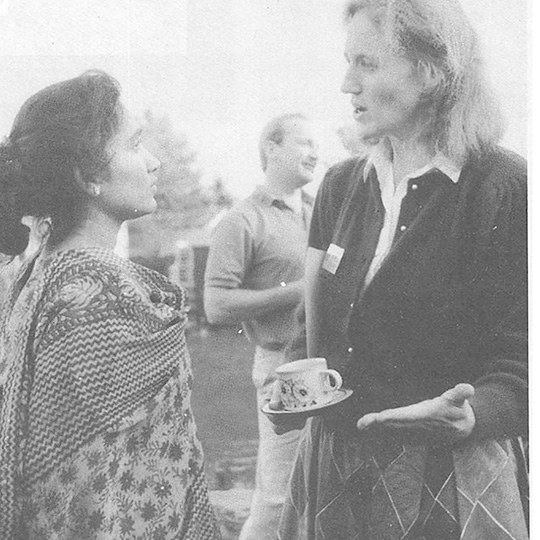
In October 1990 the Findhorn Foundation hosted an international conference on the topic of intuitive leadership. This article was previously published in One Earth magazine Issue No.2 Winter/Spring 1991
The first time I remember Cullerne was during my Experience Week in 1979. A tour of Cullerne was included in that week, and I was deeply impressed. I joined the Cullerne Garden School and later co-focalised the garden.
A moving tribute to Fred Barton, a legendary Findhorn gardener. His second wife, Lynn, reflects on their years together, his deep connection to nature, and his legacy of love in action.
Once a year the members of the Findhorn Foundation get together for a time, usually a week, of sharing with each other and conducting a general stocktaking exercise that puts the past year; current issues and plans for the coming year into perspective.
Over the decades Community Magazines and Newsletters have been a vital means for the Community to communicate with many people around the world.
This video documents one group going through the Community Studies Program, a collaboration between Pacific Lutheran University and the Findhorn Foundation.
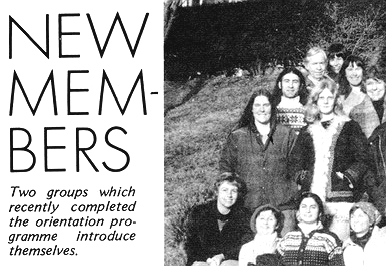
From 1977 the Findhorn Foundation (FF) held 'Orientation Programmes' to introduce new members to the Mystery School, our community culture and the organisational structures of the charity.
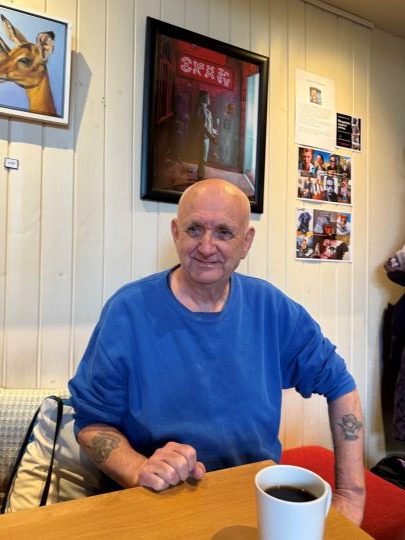
Recently, Derek told Dorota his remarkable life story. Deeply touched by his journey, which like so many of ours, carries the echoes of struggle, loss, healing and rediscovery, she wrote it down.
© Copyright 2022 - 2026 | New Findhorn Association

Mother of 3 ( Anya, Rose, Michael ) who were raised in the Community from 2003 onwards. Teacher, speaker, GEN Ambassador, Interfaith Minister and Director of Newbold Trust and Kalikalos Holistic Centre in Greece.