

I entirely expected Findhorn to look fully fairy tale, with houses and buildings bulbous and cartoonish, surrounded by trolls and oversized puffy mushrooms. Seriously. That’s how people can picture things in their minds. But the reality was even better, and it is epitomized to me by the walk from the runway (which I found an enchanted former RAF runway) to the community center, lined with full-on foliage punctuated by bungalows of promise. Each bungalow with its modest windows and wood framing held the promise of enchanted people residing or passing through, all leading up to the community center with the earthly presence of heavy hand-hewn tables and a kitchen all so steamingly bursting with hearty tucker and pink-cheeked royal-sized-pot scrubbers at two legendary sinks, one on the left, one on the right.
Everything was iconic. The food sheds were iconic food sheds. Our bitty caravan Evergreen at the end of Pineridge was an iconic Findhorn community caravan, in which it was a vaunted, idyllic privilege to dwell. Best was on chilly Saturday afternoons coming home from work department and firing up Reggie, the wood stove, until the caravan was incandescently hot and then going into deep nap due to the sudden extreme, contrasted by waking up shivering at 3am when Reggie was stone cold and deciding who would go hands and knees across frozen floor to dare stoke it again.
My favorite day of all was when through a freak of confluence of temperature and condensation all the cobwebs in the community were lit up in bright silver, with each road and path lined with concentric silver mandalas as far as the eye could see just that once, and never seen so again. It was that quality of light that shaped my Findhorn experience. (That and the constant hugs; the most extreme occurrence being after going away three days to Orkney and the return was like being gone a century, such was the volume and intensity of the endless concatenation of hugs upon the return.)
The best light was winter if there was a suggestion of sunshine. The sun makes a brief shallow arc across the far end of the southern sky (if you don’t look closely it is more like a blip) and that’s all you get in winter, but if it is managing to peek through, that light is so filtered and diffracted that it is simultaneously mild and tame while also vivid and colorful – – it is the best sunlight anywhere. It’s then the job of the clouds to take the diffractions of these northern climes and paint themselves raiments of every thing imaginable. The glimmers and radiances would then abound through our little iconic civilization: striking the Publications building with a sharp shimmer back, the rainbow glassworks of the Hall’s facade with crystal refractions, the gentle-toned woods of the iconic food sheds with a glowing warmth, the ride on the bus to/from Cluny with searing golden promise no matter which direction Daphne (the bus) was bound, and the gorse by the bay you couldn’t tell if it was the light through the clouds or the beaming coconut essence of the gorse itself that was casting all that color. The light was a thing not to miss, and that was what it was all about.
Here are the sum total of photos I took with an ancient Agfa camera of gleaming chrome and vintage charm but sans light metering or any other kind of modern technical doo-dadgetry from 1979 to 1981:

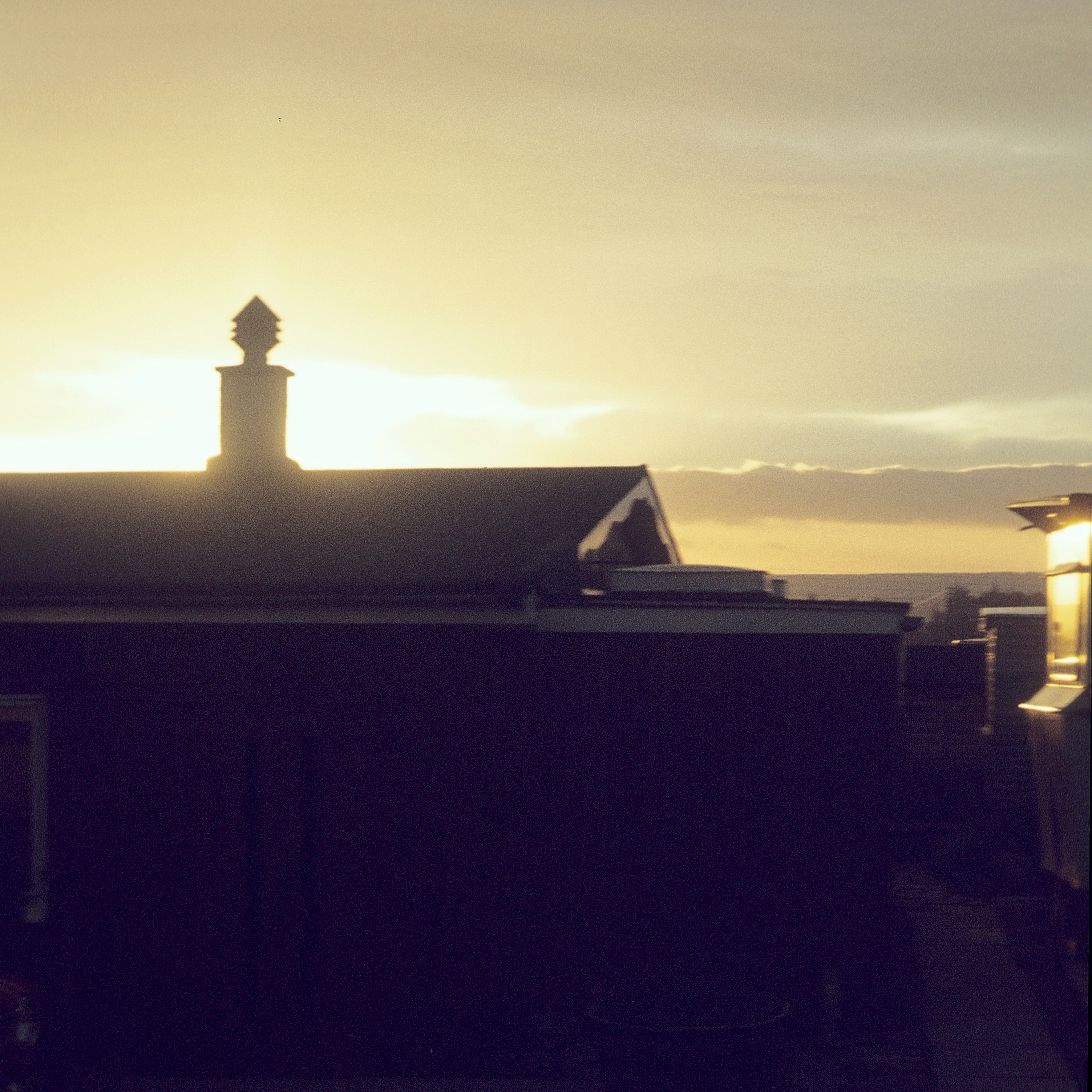 The light in winter
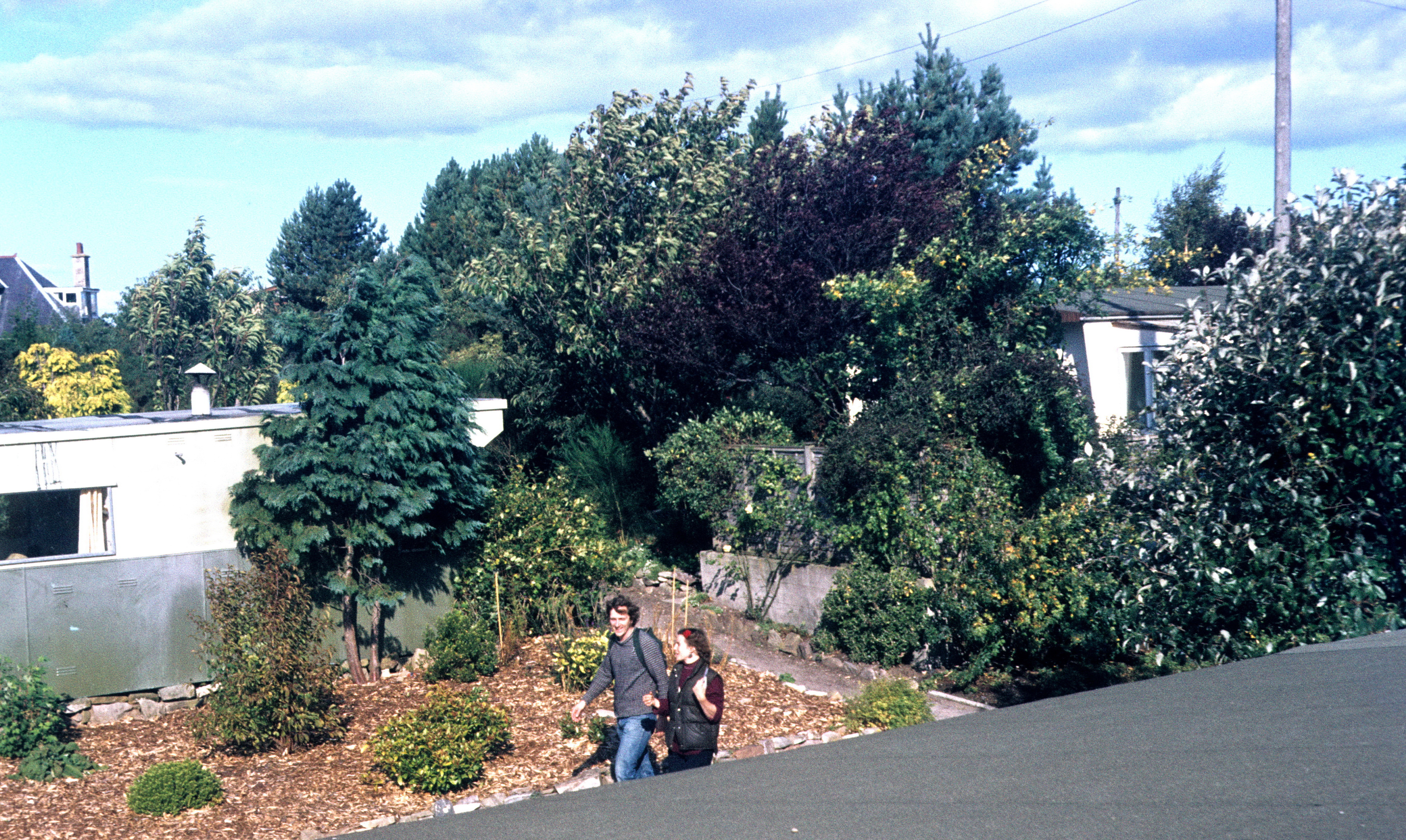
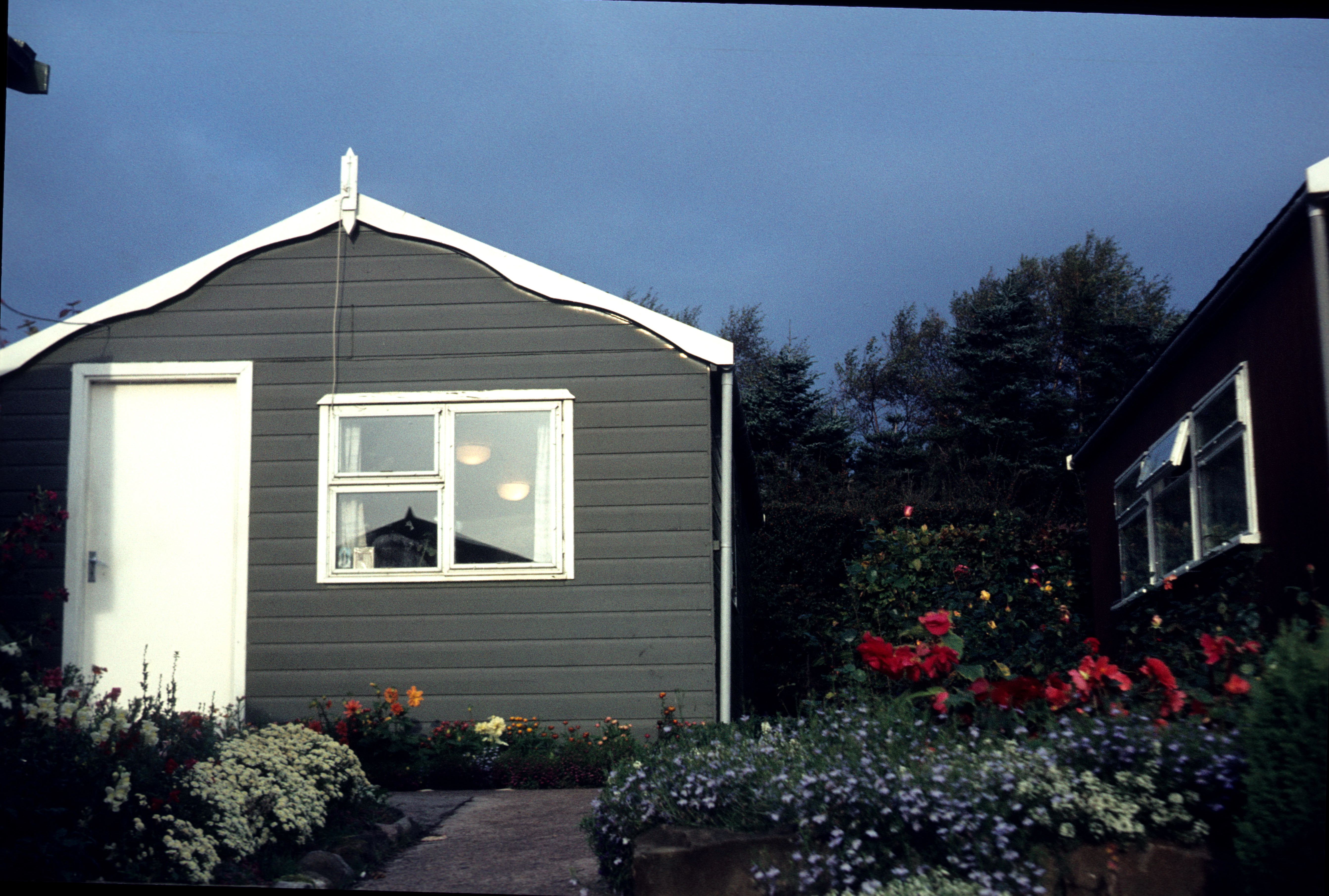
General Office
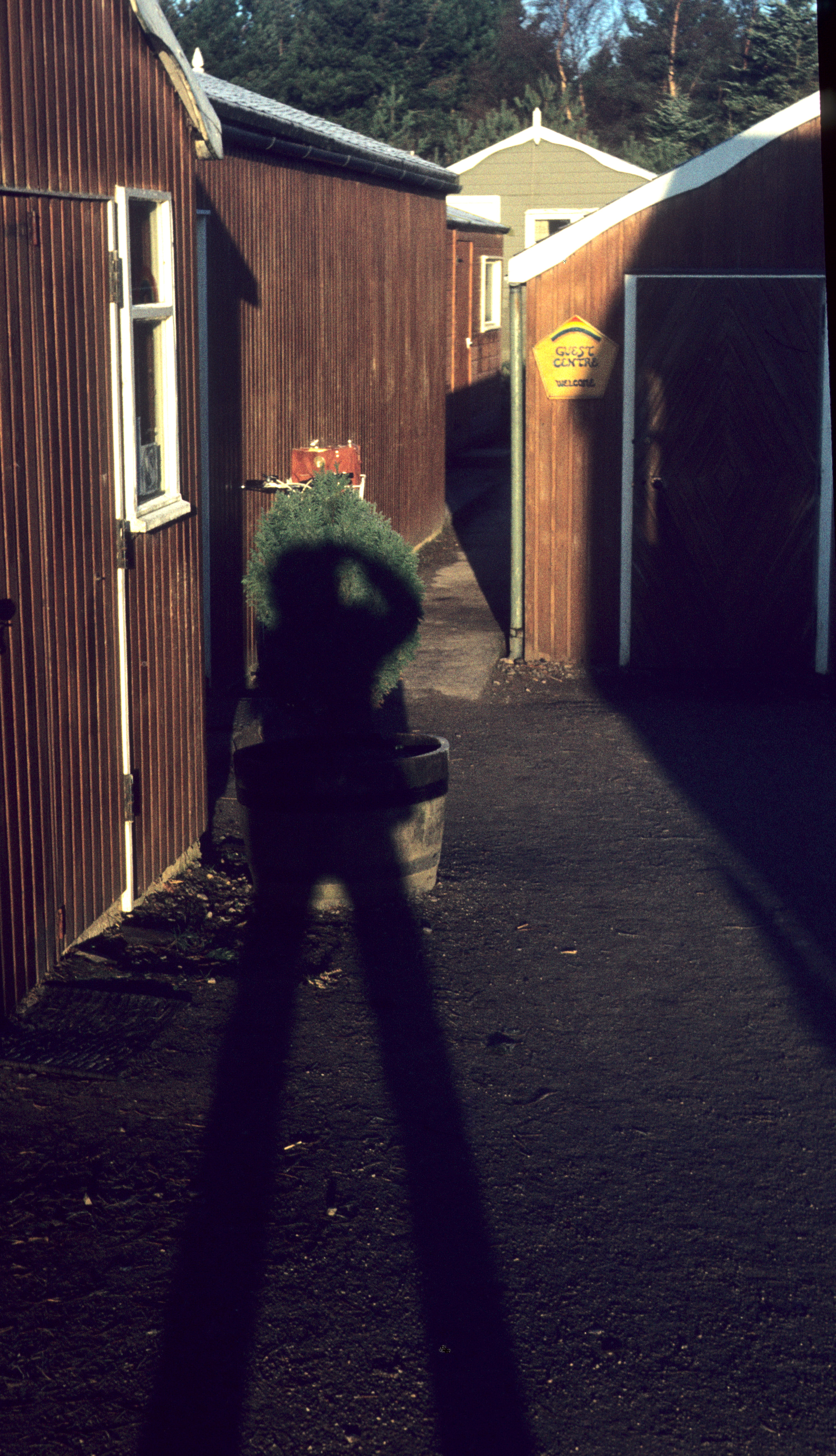

Grew up in Milwaukee, WI; college at Northwestern University; then Findhorn; then travel agent; finally a school psychologist till retirement.



Thank you, Doug, for sharing your photos so generously. What a treat to see familiar landscapes, yet 40 years ago. Particularly staggering is the difference in the trees and vegetation.