


My thoughts and feelings about death, dying and especially living more consciously have changed a lot in the last four years.
Starting with the discovery that I had cancer of the colon, (successfully removed by surgery) I was thrown into confusion about my life: fear of how to live now so that the cancer doesn’t come back. The quality of my daily life, interactions with people, and being honest with myself about what was really important to do now became paramount.
After a healing period of convalescence and 8 months travel, I returned to the Findhorn community in April ’97 and found out that a previous neighbour of mine, Winnie, had leukaemia.
I started spending more time with Winnie, as part of a mutual support group that Cornelia Featherstone, our ‘community doctor’ had started up for anyone with a life-threatening or life-changing condition. I went with Winnie several times to Aberdeen for some of her difficult visits to the haematology specialist. (Having previously worked for many years in hospital laboratories I was quite familiar with the medical scene.)
Sometimes we talked a lot, other times not, just knowing that each of us had a special understanding of the other’s situation, tears and feelings—an ally when faced with sometimes insensitive h0spitaI personnel or bewildering hospital tests and controversial drug regimes.
In April ’98 1 participated in a conference at the Findhorn Foundation called Conscious Living, Conscious Dying. I hadn’t really looked at death in such a frank, open way, probably denying its obvious reality, especially in my own situation, as I now seemed to be basically free of disease.
We listened to and discussed ideas about living wills, dying at do-it-yourself funerals and woodland burials. These new ideas of a more personal, accepting, natural approach to death were exciting to many of us, including myself. Although Winnie was not able to attend the conference, some of us talked with her about the ideas we had received there.
Finally, the day came when Winnie decided that hospital was not a comfortable place for her; no more blood transfusions or chemotherapy could help, she just wanted to rest at home. So very informally a few of us decided to help look after her there.
Starting with one who had been living with her for a few weeks, another friend and I decided to take time offering our support as and when Winnie needed it. I didn’t know what I was getting into, but I felt I had made some kind of unspoken commitment to Winnie to see her through this experience of leukaemia whatever happened.
Winnie got rapidly weaker, and more uncomfortable with fever and bed-sores and grief and fear over leaving her year old son Corin. (Corin’s father came and took him away for some holiday time, checking back in frequently for visits). A long-standing difficult family situation was on her and needed to be dealt with sensitively with various relatives.
Our team of 3 friends plus the part-time social services home help was increased, a cousin of Winnie’s and many more friends lending a hand.
Cornelia was an excellent support getting in touch with and co ordinating the help of various health professionals: the Macmillan cancer nurse, district nurses, Winnie’s GP and various complementary therapists who had been treating Winnie. Winnie, who had been a nurse, was very much in charge of her own care, what and who she wanted at any one time.
I felt it a privilege and honour to be able to serve and help such a brave and honest woman, in whatever way was needed and with gentle care and respect for her wishes, and compassion and unconditional love. Just to witness and support her through her different stages and feelings: at one moment, hoping for a recovery to be with her son, and the next moment wanting a peaceful release from her weary body and emotional turmoil.
I came to realise the importance of looking at the priorities in my own life, of dealing with unfinished business on various levels— physical, emotional and spiritual.
As I witnessed Winnie’ slast breaths early one morning, it seemed like she finally passed from a deep sleep to a much deeper peace, without any struggle or pain. I felt my tears composed of grief and also relief at the end of her journey.
In accordance with Winnie’s wishes, Cornelia and I laid out her body, in her home, and we all kept a vigil there for 3 days while we made the funeral arrangements. The simple cardboard coffin was painted and decorated by friends of Winnie and Corin and family members came to help plan the service. Local friends dug the grave under some trees on private land nearby as Winnie wished.
I was very moved by the depth of feelings of so many people who came to share in honouring the life of this friend who has touched so many people’s lives. The service was full of children supporting Corin, of music and home grown flowers.
When I hear of the many people who die alone, or in institutions with no caring friends who finally are themselves paralysed with fear and grief, I feel very saddened. We all have to die, so let’s prepare for it with an attitude of calm and acceptance and openness, with our friends and family, and truly live consciously right till the end.
I am now pleased to be involved with the work of Alanna, where we seek to offer respite care for those facing death and those who care for them, in a holistic, loving way.
***
This post was previously published as a chapter in the book Growing People, compiled and edited by Kay Kay, published by Pilgrims Guide, 2001.

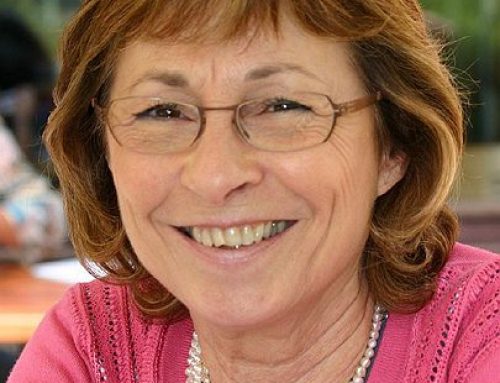
Born in Huddersfield, trained as lab technician, emigrated to Canada, married, raised 2 children on Cortes Island /Vancouver, BC. Came home in Findhorn to community, nature and dedicated service.



Leave A Comment