


The Threads of Life initiative arose, in 2016, from my observation amongst some peer elders, that ageing involves considerable grief over lost ability to do some of the things that many have invested a lot of passion into: “I used to be able to……” “I wish I could still……”
A sort of lostness can settle as the past drifts away.
So the purpose as quoted from ToL Facilitators Manual is:
TO PROVIDE AN OPPORTUNITY FOR US TO REVISIT AND REVIEW OUR LIFE PATH IN DETAIL; TO HAVE A RECORD OF THAT FROM WHICH SOMETHING CAN BE CREATED TO PASS ON OR MOVE FORWARD WITH. IMPLICIT IN THIS PROCESS IS A DEEPER PURPOSE: TO BRING THE ‘US’ FULLY PRESENT IN OUR LIVES NOW, TO MAKE POSSIBLE VALUEING OURSELVES IN WHAT HAS BEEN LIVED, AND HOPEFULLY FIND A WAY EITHER TO BE CREATIVE INTO THE FUTURE, OR GRACEFULLY SURRENDER TO A MORE CONTENTED AGEING & DEATH.
I created a facilitators’ manual after the pilot group held over the winter of 2016/7, then updated in 2020 after a further group had given some feedback. The pilot group consisted of 6 members of the Caring Community Circle, including myself as facilitator.
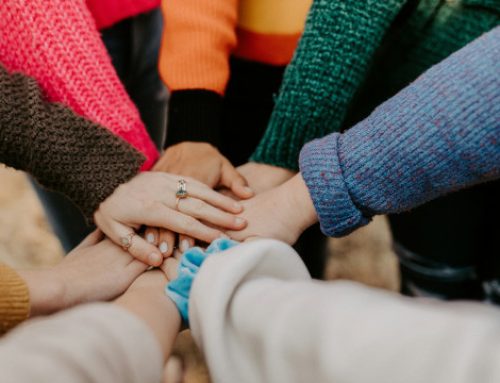
 The seven, three hour long, morning sessions were held at fortnightly intervals, to allow enough time for journaling between meetings. You see, the emphasis of the ToL was intended to be on journaling by the individual, or in some way, the individual giving commitment and focus into reconnecting with segments of their life. The time together gave opportunity for each person to share some chosen bits of their fortnight’s reminiscences, to be witnessed by the committed group.
The Commitment was key to enrichment, as each person carried responsibility both to witness, as well as to share if they chose. We made logistics a light as possible, bringing potluck snacks for our mid-morning break, and we were blessed to be able the use the East Whins Communal facilities. At the first session, participants were asked to segment their years in some way – either decades or themes – which were then used to focus the primary 6 segments.
The final session was, of course, a completion session. At the end of the pilot group sessions feedback forms were given out, so that we could learn from the experience.
Overall, it was a very rich experience for all, full of compassion, understanding, recognition and love – recognition that, whilst we are all different, growing up / development also follows a sort of shared pattern which subsumes differences of nationality, class, status etc.
Most of all for me, I was struck by what incredibly rich, creative, strong, interesting lives we all had lived so far, and we were able to reflect that back to each other, in a way that is often lost now, with families spread far and wide so that elders no longer sit by the fireside telling stories of their lives.
PS: The comprehensive Facilitators’ Manual gives step by step guidance as to how the sessions should be conducted. It is my wish that others may use it to run inexpensive groups to enrich the experience of elders.

London born one of 6 children; married and divorced; 2 children. Work in Agriculture, BSc (Hons) in Biological Sciences (Genetics), volunteered in Uganda and Israel, Mother, Homeopath, now Artist.


My deep appreciation for this wonderful initiative. I was part of the very first group, and then co-focalised another. I treasure the experience not only for what it gave me personally in terms of doing a life review. Three of the group participants have died since and I feel so privileged having been party to their threads of life. Thank you! Vivien. xxx